

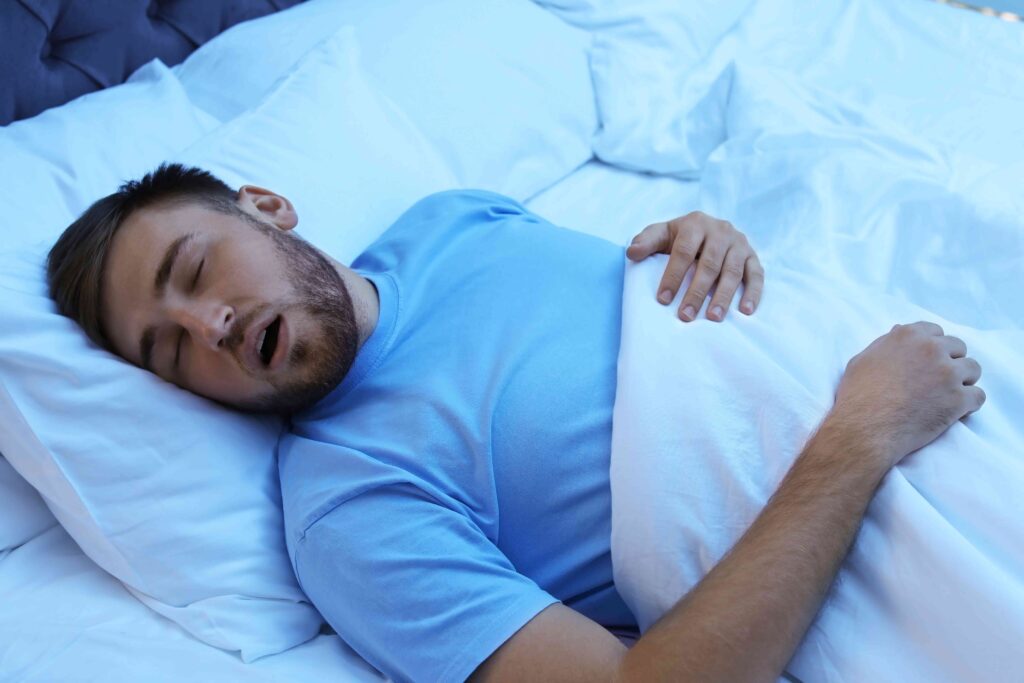
Do you have sleep apnea? In addition to having difficulty staying asleep throughout the night, this common sleep disorder can cause various symptoms during the day, like drowsiness, lack of focus, mood changes, and more. It can even increase your risk of serious health issues, like cardiovascular disease. Despite sleep apnea being so common, there are still many myths floating around out there. Continue reading to learn about some of them so they can finally lay to rest!
Myth 1: Only Overweight People Have Sleep Apnea
While having excess rate increases your risk of developing sleep apnea, it isn’t the only contributing factor. People who are at a healthy weight or only slightly overweight can develop sleep apnea too. Facial and neck anatomy also play a role. Ultimately, just because you are at a healthy weight doesn’t mean that you are safe.
Myth 2: Snoring Means You Have Sleep Apnea
Snoring is a very common, and often the most noticeable symptom of those who have sleep apnea. For those with sleep apnea, breathing is interrupted throughout the night, sometimes resulting in nighttime snoring and daytime fatigue and other symptoms. However, some people just have “simple snoring” and receive restful sleep. If you snore, this is still something you should bring up to your doctor, but it doesn’t automatically mean that you have sleep apnea.
Myth 3: Sleep Apnea Only Affects Men
Men are at higher risk of developing sleep apnea, but the truth is that women with sleep apnea are often underdiagnosed. First of all, women are more reluctant to bring up snoring with their doctor. Also, if a woman with sleep apnea snores, it is often quieter than the snoring of men, so it goes unnoticed. Women also report different symptoms than men, like headaches, mood disturbances, a lack of energy, and insomnia, so it can take longer to diagnose.
Myth 4: Everyone with Sleep Apnea Snores
On the contrary to myth number two, not everyone with sleep apnea snores. Up to 20% of people who have sleep apnea do not snore. Other common symptoms include gasping for air, choking, and labored breathing at night. This is where it’s important to notice other common signs of sleep apnea, like morning headaches, weaking up with a dry mouth, or having a raspy throat in the morning. These could all be signs that you have sleep apnea, even if you don’t snore.
Sleep apnea may be common, but this doesn’t mean that everyone is knowledgeable about it. Don’t let the myths above fool you. If you think you might have sleep apnea, it is something to bring up with your sleep dentist. This way, you can work towards achieving restful sleep!
About the Author
Dr. Sarah Pitarra earned her dental doctorate from the Baylor College of Dentistry. Currently, she is a member of numerous professional organizations, including the American Dental Association, Texas Dental Association, Academy of General Dentistry, American Academy of Cosmetic Dentistry, American Academy of Dental Sleep Medicine, and many more. For more information about sleep apnea or to schedule an appointment, visit her website or call (361) 855-7171.