
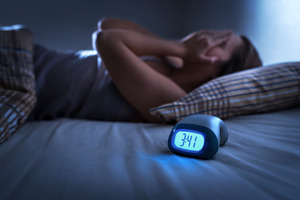
Sleep apnea can make it extremely difficult to get a sufficient amount of quality rest at night. As such, you could easily end up with a sleep debt that leaves you feeling excessively tired during the day. Once you realize that you have a sleep debt, you’ll likely want to make up for the rest you’ve lost as soon as possible – but just how long can you expect that to take?
How Does Sleep Apnea Lead to Sleep Debt?
When you have sleep apnea, your breathing will repeatedly stop and restart while you’re asleep, typically due to an obstructed airway. Every time your breathing stops, your brain forces your body to wake up in order to get some air. While these awakenings tend to be very brief, they nevertheless disrupt the sleep cycle, meaning you don’t spend enough time in the deep, restorative stages of sleep. If you fail to get enough quality sleep on a nightly basis, you’ll end up with a sizable sleep debt.
How Long Will It Take to Catch Up on Your Lost Sleep?
At first, you may think that you can make up a sleep debt quickly by getting extra sleep the next night. Unfortunately, it’s not that simple. Sleep debt is a cumulative problem, meaning it builds up over time. For example, if you need 7 hours of sleep but only got 5 every night for the past week, then you have a total sleep debt of 14 hours. Consequently, you can’t solve a sleep debt with one night of extra sleep. Catching up could easily take weeks or even months.
On top of that, if your sleep apnea goes untreated, then making up your sleep debt could be next to impossible. Even if you go to bed early, your sleep-disordered breathing will still cause frequent disruptions of the sleep cycle, depriving you of the rest you need and making your sleep debt worse.
What Should You Do to Make Up a Sleep Debt?
Step one is to seek treatment for your sleep apnea. This traditionally involves a CPAP machine, but if you want a quieter, more comfortable option, you can talk to a dentist about getting a Vivos oral appliance that can help keep your airway open at night and reduce the frequency of breathing interruptions.
Once your sleep apnea is under control, you can focus on making up your sleep debt by getting one or two hours of extra sleep on a nightly basis. Take whatever steps you need to in order to make it easier to fall and stay asleep; for example, it often helps to meditate before bed to calm your mind and body.
Sleep debt typically isn’t a problem that can be resolved quickly, but it is absolutely possible to make up for your lost rest by taking the right steps and having any underlying sleep disorders properly treated.
About the Author
Dr. Sarah Pitarra went to Baylor College of Dentistry. She holds membership with the Corpus Christi Dental Study Club, the American Academy of Dental Sleep Medicine, and other professional organizations. She currently offers her Corpus Christi patients a comprehensive menu of services that includes Vivos oral appliances for treating sleep apnea. If you’re looking for a way to treat sleep-disordered breathing that doesn’t involve CPAP, you can schedule an appointment with Dr. Pitarra by visiting her website, using her online booking tool, or calling (361) 855-7171.